


News Detail
TUI Care Foundation launches Turtle Aid project to promote sustainable tourism in Apulia
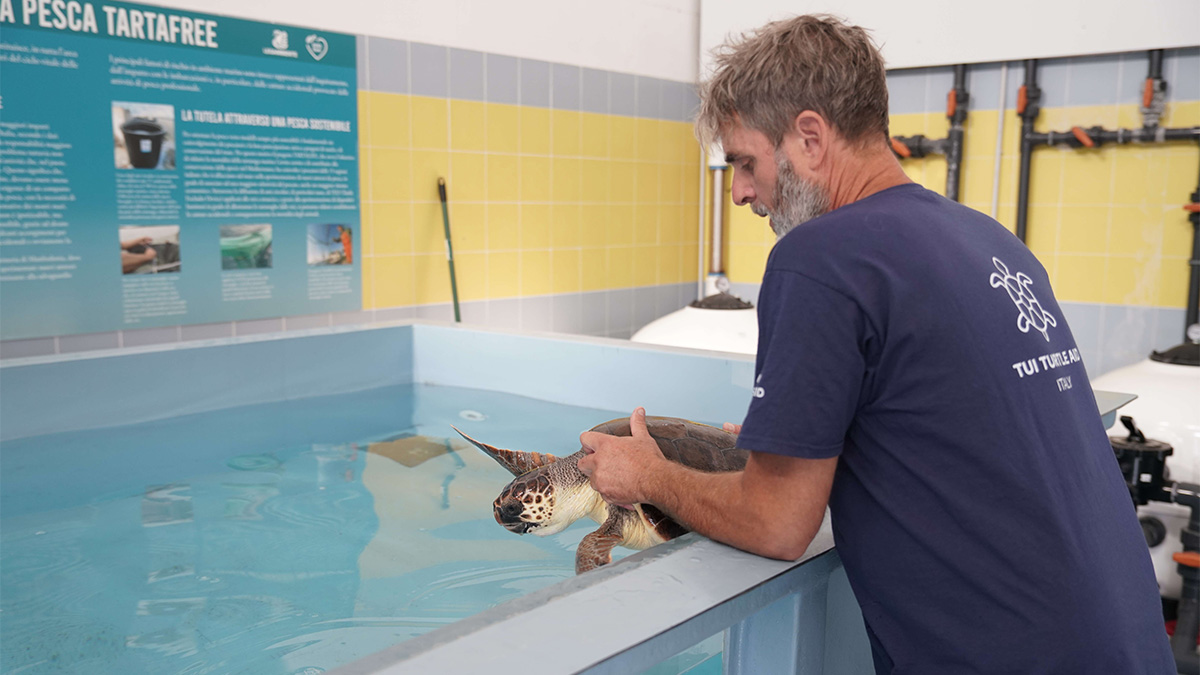
TUI Turtle Aid Italy will protect 3,500
hatchlings and rescue 300 injured individuals through targeted conservation
measures.
The loggerhead sea turtle (Caretta caretta),
considered ‘vulnerable’ globally by the IUCN list, is classified as ‘least
concern’ in the Mediterranean. But even here, it is still exposed to
significant human and environmental pressures and faces increasing threats.
Rising sea temperatures and climate change are driving this species to expand
its nesting range northward, including to Apulia’s beaches - areas that have
not historically hosted turtle nests. Coastal zones of Italy, such as Salento
and Gargano, are amongst the country’s popular summer destinations, creating
both risks and opportunities for conservation. Unregulated tourism can threaten
nesting success through habitat disturbance and light pollution, but tourism
also offers a powerful platform for education and sustainable development.
TUI Turtle Aid Italy responds to this challenge by
integrating sea turtle conservation with responsible tourism practices. In
collaboration with Italian NGO Legambiente, the project will protect over 3,500
hatchlings and rescue around 300 injured turtles, through structured beach
monitoring, nest protection, and rehabilitation efforts during its 3-year
implementation. Conservation teams and trained volunteers will monitor beaches,
detect and safeguard nests, and collect vital data to inform long-term
protection strategies. Injured turtles affected by bycatch, boat strikes, or
pollution are treated at the Sea Turtle Recovery Center in Manfredonia before
returning to the sea.
To align tourism with conservation, the initiative
introduces a voluntary “Turtle-friendly Tourism Certification” for beachfront
businesses. TUI Turtle Aid has developed a unique guideline and certification
scheme with 40 criteria designed to minimise the impact of hotel operations on
turtle nesting. Mandatory measures include removing obstacles from beaches at
night, reducing light pollution, and raising guest awareness. At least 60
hotels and beach clubs will be engaged through assessments, training, and
implementation of eco-friendly practices.
Education and awareness are central to the project:
more than 4,000 community members and tourists will be educated through
awareness campaigns and events, whilst snorkelers will participate in
tailor-made programmes. Seasonal activities such as turtle releases, eco-tours,
and 'Turtle Days' will foster local involvement and create memorable
experiences that will connect visitors with marine conservation.
The initiative is part of the global TUI Turtle Aid
programme which protects endangered and vulnerable sea turtles around nesting
beaches and includes projects in destinations including Kenya, Cabo Verde,
Turkey and Greece.