
Rural communities in Albania, North Macedonia and Montenegro face growing economic and environmental pressures.
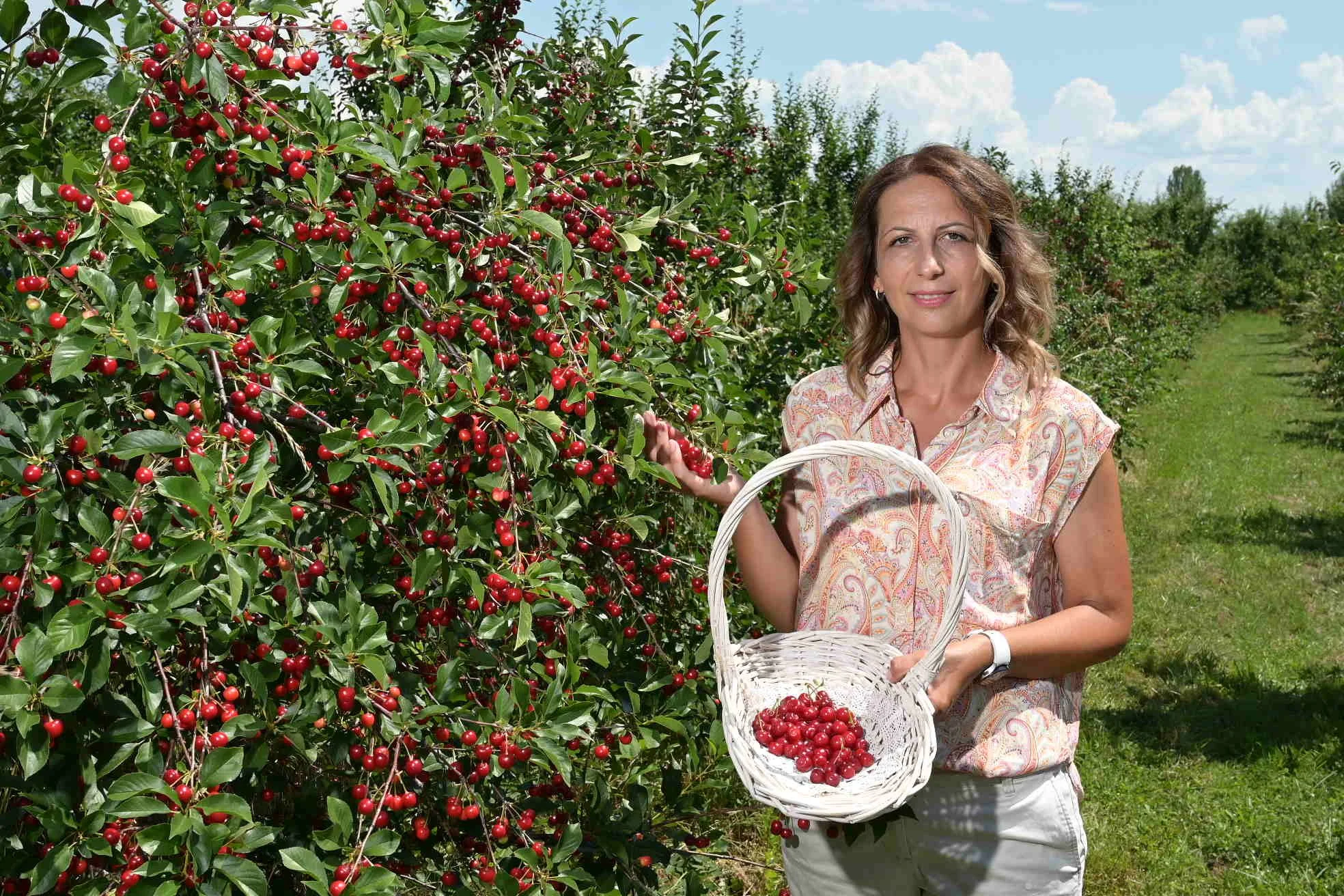
Agriculture remains a key source of income for many households, yet small-scale farms often struggle with low productivity, limited market access and the increasing impacts of climate change. Rising temperatures, droughts and unpredictable rainfall threaten agricultural production, whilst migration, particularly amongst young people, continues to weaken rural economies. At the same time, tourism is expanding across the region, but many rural producers are not yet connected to tourism value chains and therefore miss opportunities to benefit from growing visitor demand.
To address these challenges, the TUI Care Foundation, in collaboration with the German Development Agency (GIZ), is launching TUI Field to Fork Western Balkans, to strengthen rural livelihoods, promote regenerative farming practices and create more attractive tourism offers for visitors across the three countries. By connecting agriculture with experiential tourism, the project will support communities to build more resilient and diversified local economies.
Over the 27-month project period, 120 participants from 90 agricultural households will receive training in sustainable and regenerative farming, including soil health management, crop diversity and water conservation. Farmers will take part in practical demonstrations, field visits and knowledge-sharing activities designed to improve productivity whilst increasing resilience to climate-related challenges. The project supports the adoption of sustainable agricultural practices, with a special focus on regenerative agriculture.
Alongside agricultural capacity building, the project will support rural households and tourism stakeholders in developing new visitor experiences based on local food traditions, farming activities and cultural heritage. Through specialised training and coaching, participants will create over 20 new rural tourism products and services, including farm visits, culinary experiences and other authentic tourism offers. These experiences will be promoted through targeted marketing activities and digital channels, with the goal of attracting at least 1,000 domestic and international visitors during the project period.
Through workshops, networking events and collaboration activities, farmers, food producers, tourism businesses and local stakeholders will identify new business opportunities and develop at least 20 partnerships linking agriculture and tourism. These partnerships will support the integration of local products and experiences into tourism offers, creating stronger local value chains and encouraging more visitors to engage with rural communities. The project will work with national and regional organisations across the three countries to support implementation and maximise long-term impact.
Thomas Ellerbeck, Chairman of the Board of the TUI Care Foundation, said: “Tourism can be a powerful driver of rural development when local communities are connected directly to the opportunities it creates. In the Western Balkans, agriculture, local food traditions and tourism have enormous potential to reinforce one another – creating new sources of income while strengthening the resilience of rural communities. Partnerships between the private sector and development cooperation are essential to turn that potential into lasting impact. Together with GIZ and with the support of the German Federal Ministry for Economic Cooperation and Development, we are combining local expertise with the reach of the tourism sector to create stronger value chains and ensure that more of the value generated by tourism stays within local communities.”
By supporting rural communities to develop new sources of income, adopt more sustainable practices and benefit from growing tourism demand, the initiative demonstrates how tourism can contribute to long-term environmental, social and economic sustainability.
The project is co-financed by the TUI Care Foundation and the Federal Ministry for Economic Cooperation and Development (BMZ) and implemented by the German Development Agency (GIZ). The initiative is a part of the global TUI Field to Fork programme, which enables sustainable food production by establishing links with the tourism sector to create better income opportunities in rural communities in destinations like Portugal, Cape Verde, Colombia, Italy and Tanzania.