

Together with UN Tourism and the University of Cambridge, the Foundation launched a public consultation on the draft 2040 Impact Roadmap for Sustainable Food Systems in Tourism.
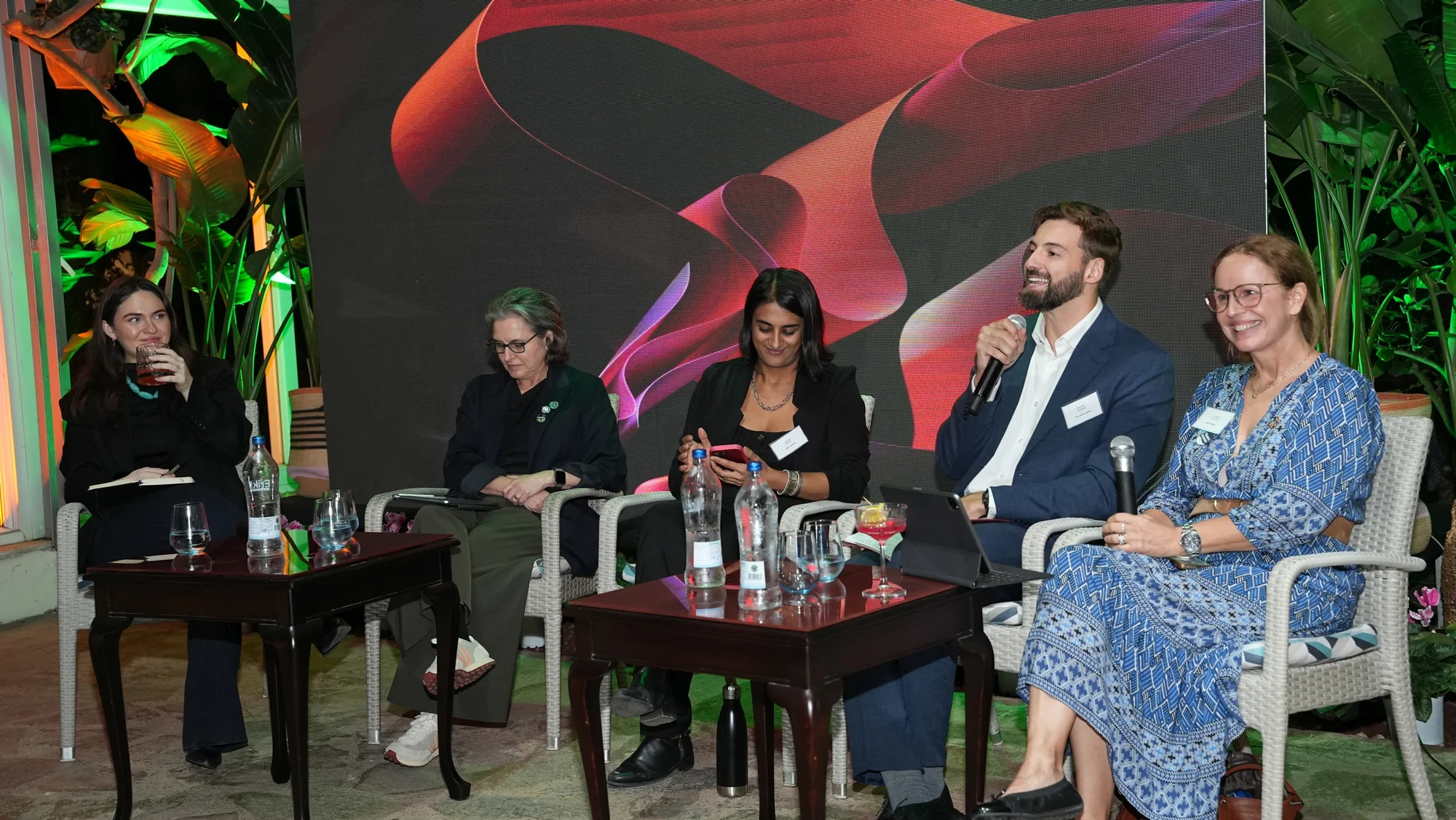
In collaboration with BNP Paribas and the Ocean Risk and Resilience Action Alliance, the TUI Care Foundation explored how finance and tourism support marine conservation. An event on Türkiye's Mediterranean coast showcases TUI Turtle Aid and brought together representatives from finance, tourism and marine conservation.
At COP31, the UN Climate Change Conference in Antalya, Türkiye, the TUI Care Foundation contributed to international discussions on marine conservation, climate finance and the transformation of food systems in tourism.
Through two initiatives, the Foundation highlighted how partnerships between tourism businesses, financial institutions, researchers and international organisations can help address environmental challenges in tourism destinations. It joined UN Tourism and the Centre for Resilience and Sustainable Development at the University of Cambridge to present the draft 2040 Impact Roadmap for Sustainable Food Systems in Tourism, opening the document for public consultation. Together with BNP Paribas and the Ocean Risk and Resilience Action Alliance (ORRAA), the TUI Care Foundation also brought together experts from the finance and conservation sectors to explore opportunities for scaling marine conservation solutions.
The marine conservation event, organised in collaboration with BNP Paribas and ORRAA, took place at ROBINSON Club Nobilis on Türkiye's Mediterranean coast, close to one of the region's most important nesting areas for sea turtles. The gathering brought together representatives from financial institutions, businesses and conservation organisations to discuss how investment and partnerships can support marine ecosystems and coastal communities. Participants were introduced to the TUI Care Foundation's TUI Turtle Aid programme through presentations and a beachfront visit showcasing practical conservation measures, including the protection of turtle nesting sites and efforts to reduce disturbance from artificial lighting. Discussions explored how tourism businesses and financial institutions can work together to mobilise investment for marine conservation, overcome financing barriers and support practical initiatives in coastal destinations.
Thomas Ellerbeck, Chairman of the Board of the TUI Care Foundation, said: “The natural environments of tourism destinations are their greatest assets - protecting them requires partnerships that scale. Expertise of local communities, the potential of the tourism sector as a development engine and financial resources by international organisations need to be brought together to drive long-term positive impact. COP31 provides an important opportunity to connect these different actors and explore how conservation can become a more integral part of investment and business decisions.”
Alongside its engagement on marine conservation, the TUI Care Foundation launched the draft 2040 Impact Roadmap for Sustainable Food Systems in Tourism. Developed through the Tourism Food for Good initiative in partnership with UN Tourism and the Centre for Resilience and Sustainable Development at the University of Cambridge, it was presented at COP31 during the Tourism Thematic Day for public consultation. The draft roadmap outlines a proposed framework for transforming how food is produced, sourced, prepared, consumed and managed across the tourism value chain between now and 2040. It draws on research, stakeholder consultations and evidence gathered from tourism administrations and private-sector organisations to identify opportunities for coordinated action.
Developed through the Cambridge Impact Roadmapping methodology, the draft document proposes five interconnected pathways towards 2040: establishing common approaches to measuring food waste and other food system impacts; improving market access for local producers through stronger cooperation and purchasing arrangements; addressing regulatory barriers to food redistribution and circular practices; encouraging destinations to share knowledge and promote local culinary traditions; and exploring opportunities to make productive use of unavoidable food waste through composting, biogas and other circular economy applications. The roadmap also examines the policy, infrastructure and financing conditions needed to support these changes, with proposed actions structured around milestones for 2030, 2035 and 2040.
The public consultation invites governments, tourism businesses, researchers, civil society organisations and other stakeholders to contribute their expertise before the roadmap is finalised. The Tourism Food for Good initiative brings together the TUI Care Foundation, UN Tourism and the University of Cambridge to develop recommendations that can inform decisions across the tourism food value chain.
Thomas Ellerbeck added: “Food is an essential part of the travel experience, but its importance extends far beyond what is served to visitors. Decisions made by hotels and other tourism businesses can have immense positive impact on local producers, farmers and local suppliers. Through Tourism Food for Good, we are working with UN Tourism and the University of Cambridge to identify where collective action can make a difference. Launching the draft 2040 Impact Roadmap for public consultation at COP31 is an important step in that process. We want governments, businesses, researchers and civil society to contribute their expertise so that the final roadmap reflects the challenges and opportunities faced across different tourism destinations.”
The TUI Care Foundation's participation in COP31 reflects two complementary areas of its international work: supporting practical environmental projects in tourism destinations and contributing to partnerships that address wider challenges facing the tourism sector. By bringing together discussions on marine conservation finance and the transformation of food systems, the Foundation highlighted the importance of cooperation between public institutions, businesses, financial organisations, researchers and local communities.