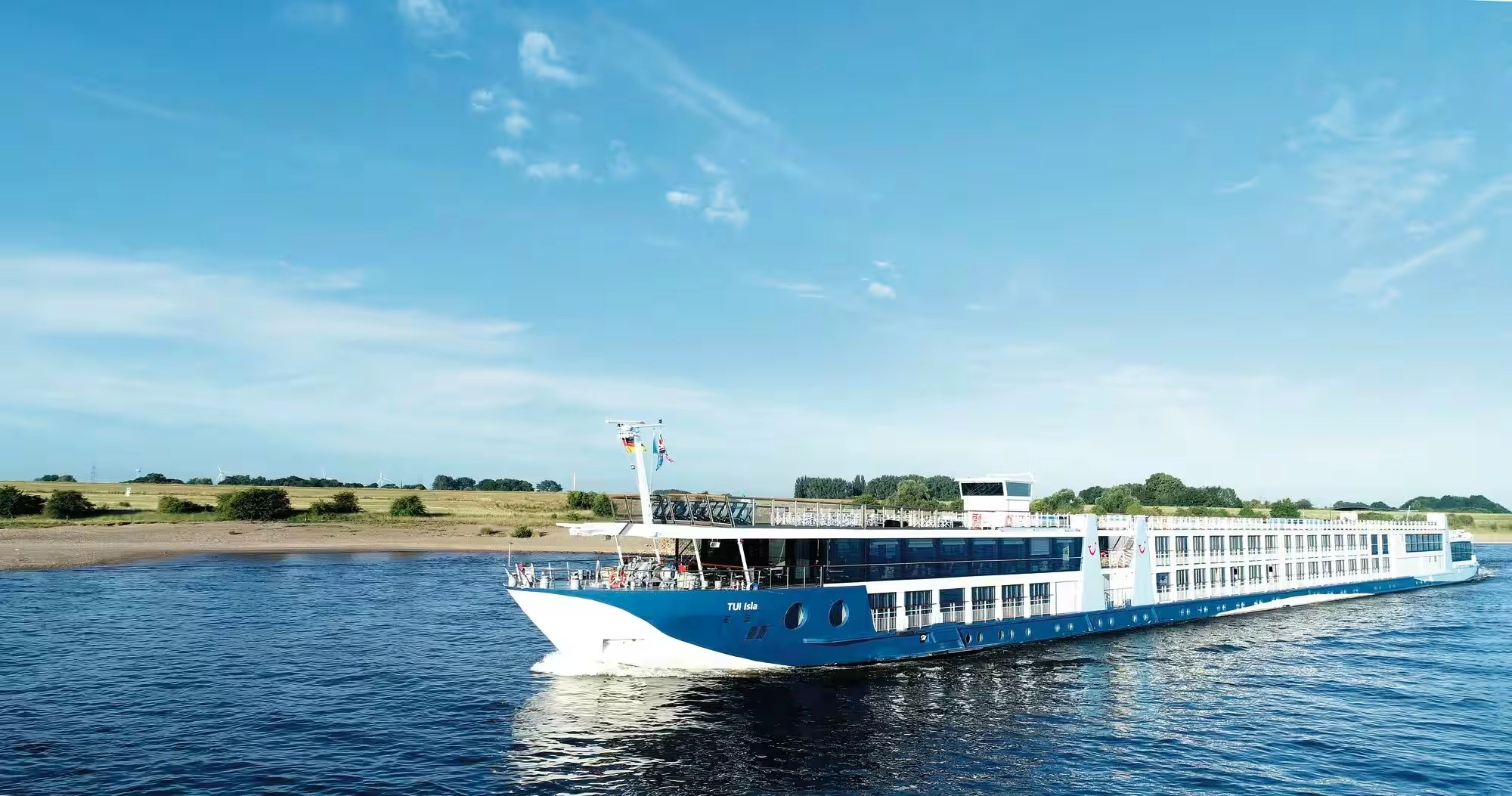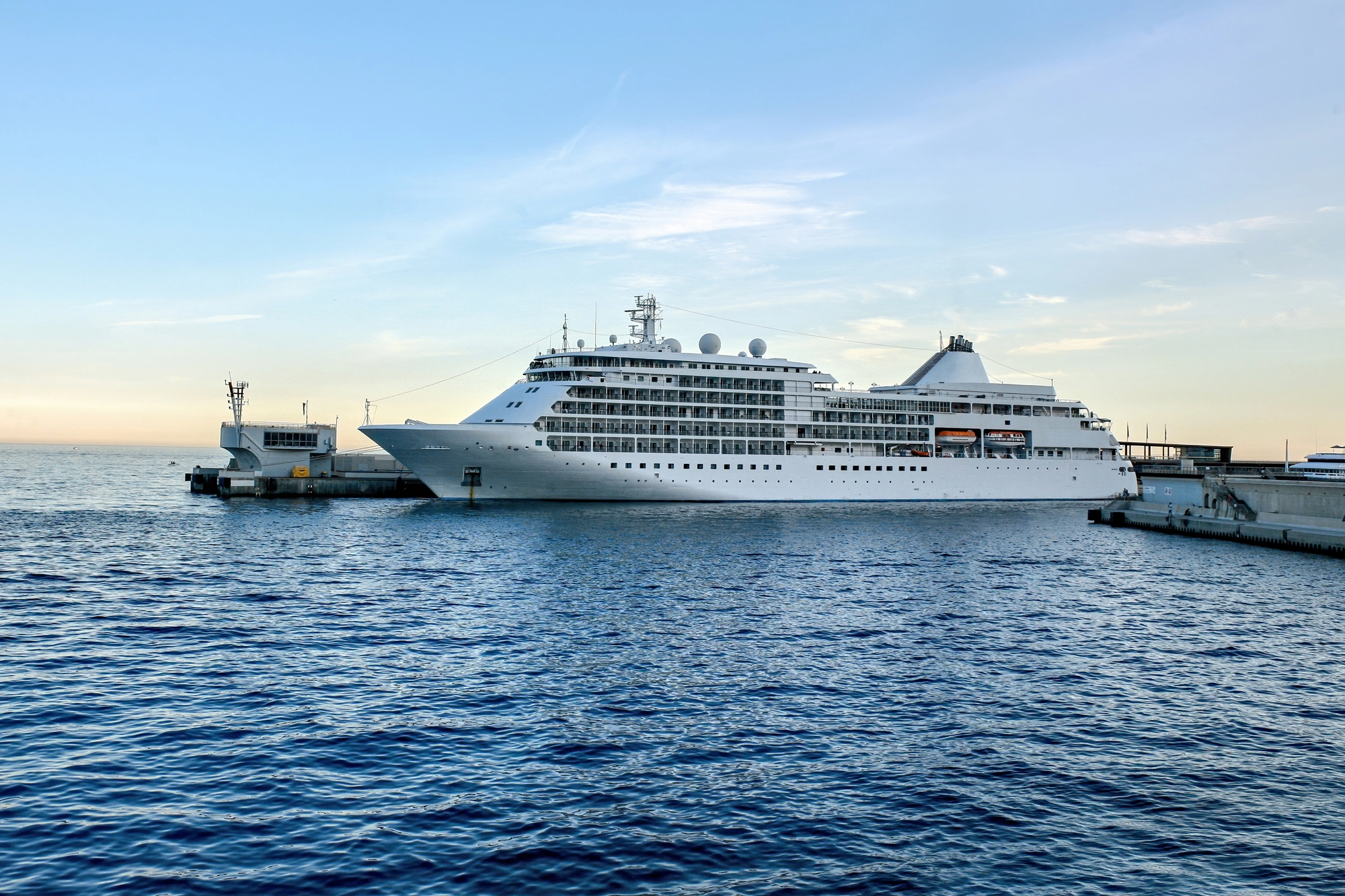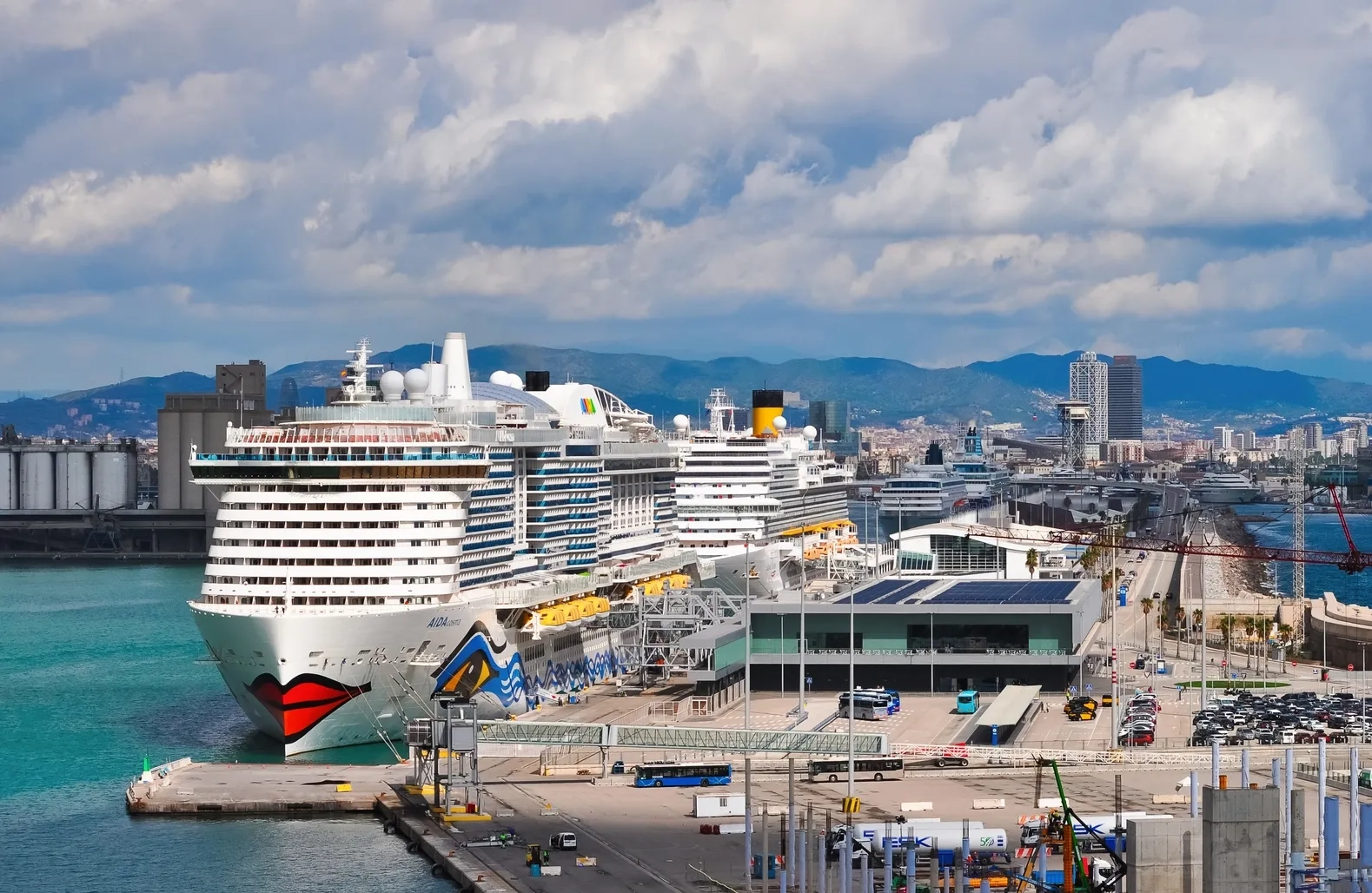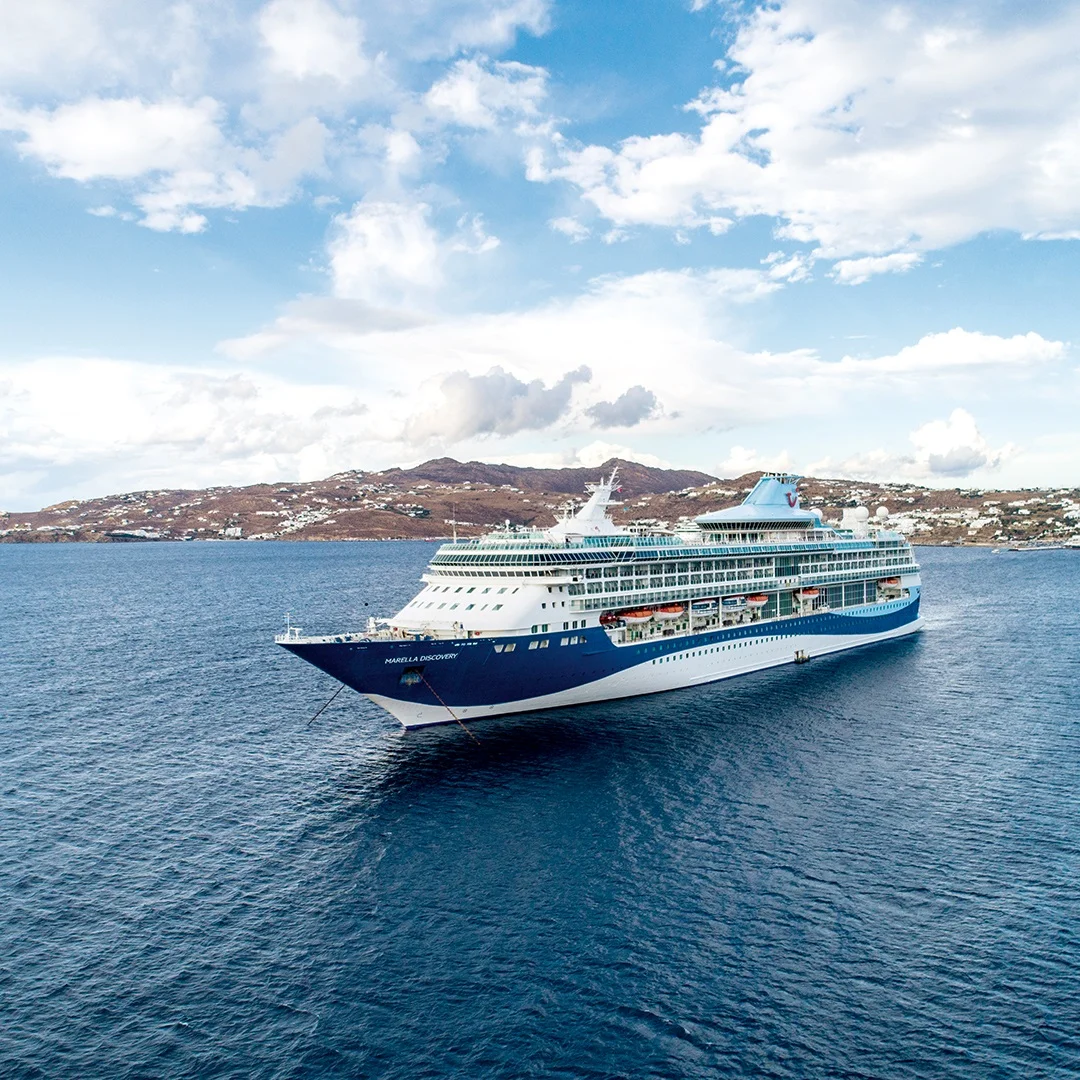

Lagos, Nigeria’s commercial capital and one of Africa’s fastest-growing megacities, presents enormous untapped opportunities for cruise tourism investors seeking expansion into emerging global tourism markets. With its strategic coastal location, growing economy, vibrant entertainment industry, and increasing tourism activities, Lagos possesses the potential to become a major cruise tourism destination and maritime leisure hub in West Africa.

Globally, cruise tourism has continued to contribute significantly to economic growth, employment generation, hospitality development, and international tourism receipts. While several countries have successfully harnessed the economic value of cruise tourism, Nigeria remains a largely untapped market with vast opportunities waiting to be explored by visionary investors.
Lagos stands out as a unique destination due to its combination of business tourism, entertainment, culture, nightlife, beach tourism, and urban experiences. The city attracts millions of local and international visitors yearly for conferences, exhibitions, concerts, festivals, business engagements, and leisure activities. Integrating cruise tourism into Lagos’ tourism ecosystem would not only diversify the tourism industry but also position the city as a competitive tourism and maritime destination within Africa.
One of the greatest advantages for cruise investors in Lagos is the size of Nigeria’s population and consumer market. With over 200 million people and a rapidly growing middle class, there is increasing demand for luxury experiences, leisure travel, weekend tourism, waterfront entertainment, and lifestyle tourism. Cruise tourism offers an exciting opportunity to meet this growing demand while introducing new forms of recreational and hospitality experiences into the Nigerian market.
Cruise investment opportunities in Lagos extend beyond passenger transportation. Investors can explore opportunities in luxury cruise operations, waterfront resorts, marina developments, yacht tourism, floating restaurants, event cruises, private island tourism, ferry tourism, recreational boating, tourism transportation services, hospitality partnerships, entertainment collaborations, and coastal tourism infrastructure.
The economic benefits of cruise tourism development in Lagos are enormous. It can stimulate job creation across tourism, hospitality, transportation, entertainment, logistics, security, food supply, event management, and local craft industries. Small and medium-scale enterprises would also benefit through increased tourist spending and supply chain opportunities.
Lagos already possesses several tourism and lifestyle attractions that can support cruise tourism development. Destinations such as Tarkwa Bay, Landmark Beach, Elegushi Beach, Lekki, Victoria Island, and various waterfront communities can be integrated into cruise tourism experiences that combine culture, entertainment, gastronomy, nightlife, shopping, and coastal relaxation.
Furthermore, Nigeria’s globally recognized entertainment industry provides a strong advantage for cruise tourism investors. Afrobeats music, Nollywood, fashion, comedy, and cultural performances can be incorporated into cruise experiences, creating uniquely African tourism products capable of attracting both domestic and international tourists.
The development of cruise tourism in Lagos can also strengthen regional tourism integration within West Africa. Cruise routes connecting Lagos to destinations across Ghana, Benin Republic, Togo, Cameroon, and other coastal African countries could open new regional tourism markets and increase international visitor movement across the region.
For investors, Lagos offers a first-mover advantage. Since cruise tourism remains relatively underdeveloped in Nigeria, early investors have the opportunity to shape the market, establish brand dominance, and benefit from long-term industry growth as tourism demand continues to rise.
However, unlocking the full potential of cruise tourism in Lagos requires collaboration between government agencies, private investors, maritime authorities, tourism stakeholders, and infrastructure developers. There is a need for improved waterfront infrastructure, tourism-friendly policies, maritime security, investment incentives, environmental sustainability measures, and destination branding strategies that position Lagos competitively within the global tourism market.
The future of tourism is evolving toward experiential travel, luxury leisure, cultural immersion, and destination experiences. Lagos possesses the energy, population, creativity, coastline, and market potential necessary to become a leading cruise tourism destination in Africa.
Therefore, this is a call to local and international cruise investors, tourism developers, hospitality brands, and maritime stakeholders to look toward Lagos, Nigeria, as the next frontier for cruise tourism investment and coastal tourism development in Africa.
Written by: Uche Emmanuel Chinonso