
When Ghana’s Minister for Foreign Affairs and Regional Integration, Hon. Samuel Okudzeto Ablakwa, took to X (formerly Twitter) to recap his recent diplomatic mission to Prague, the headlines naturally gravitated toward major infrastructure. The revival of a €48 million bridge project, the expansion of VAMED hospitals, and new public transit buses are tangible, high-ticket victories for national development.

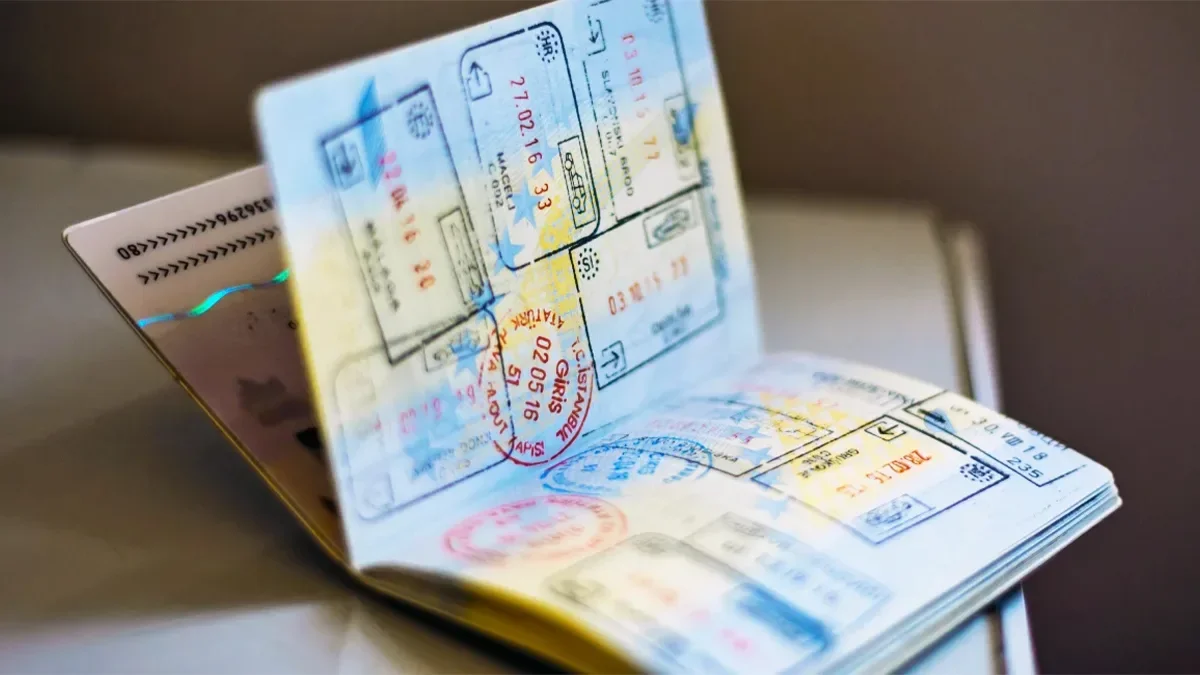
Yet, tucked beside these heavy-industrial wins was a diplomatic spark that could fundamentally reshape Ghana’s global mobility: the initiation of discussions on a potential visa waiver agreement for ordinary passport holders.
For a nation hungry to expand its economic footprint, this isn't just a matter of consular convenience. If successfully negotiated, a visa waiver with the Czech Republic—a strategic anchor within the European Union’s passport-free Schengen Zone—could serve as a structural game-changer.
But what does this mean on the ground, and how could it catalyze a revolution for Ghana’s tourism and creative sectors?
1. Shattering the "Passport Power" Barrier for Tourism Professionals
For years, the global travel economy has operated on an uneven playing field. While European tourists can arrive at Kotoka International Airport and secure visas with relative ease, Ghanaian travel writers, content creators, tour operators, and destination marketers face a grueling gauntlet when trying to cross borders in reverse.
The current visa regime requires weeks of planning, exorbitant non-refundable fees, and a mountain of paperwork. For a travel journalist looking to cover an international tourism expo, or a destination manager trying to pitch West African itineraries directly to European travel boards, the embassy queue is a massive bottleneck.
A visa waiver would instantly unlock the market. Ghanaian storytellers, vloggers, and creators could travel spontaneously, capture content across Central Europe, and collaborate seamlessly with international travel brands. By giving local professionals the freedom to move, Ghana can cultivate a class of globally minded travel writers who can market both domestic and international destinations with equal authority.
2. Activating the "Schengen Gateway" and Reciprocal Tourism
The real weight of a Czech visa waiver lies in its geographic leverage. Because the Czech Republic belongs to the 29-nation Schengen Area, entry into Prague typically grants frictionless transit across almost the entirety of continental Europe.
While the immediate focus remains on bilateral relations, any easing of restrictions sets an incredible precedent. It allows for a vibrant, two-way cultural exchange:
· Inbound Push: Czech travelers, already familiar with Ghana through infrastructure partnerships, will find a more visible, connected Ghana on their own social media feeds and media outlets.
· Outbound Push: Ghanaian travel agencies can design specialized European tour packages, broadening their product offerings beyond traditional West African or Middle Eastern routes.
3. Economic Tourism and Infrastructure Synergy
Tourism does not thrive in a vacuum; it requires solid infrastructure. The other pillars of Minister Ablakwa’s Prague discussions—the €48 million bridge projects and public transport buses—directly feed into domestic eco-tourism.
Improved bridges and synchronized public transport mean smoother transit for international visitors exploring regions outside Accra, such as the coastal reaches of the Central Region or the pristine eco-luxury nodes of the Western Region. When a foreign transit and infrastructure partnership is paired with relaxed visa restrictions, it signals to international markets that Ghana is open, accessible, and safe for high-value investment and leisure travel.
4. The Diplomatic Hurdles Ahead
We must balance this optimism with a healthy dose of geopolitical realism. Achieving a visa waiver for ordinary passport holders within the Schengen framework is an uphill battle. The Czech Republic operates under central European Union border guidelines, meaning Prague cannot easily decouple its visa policies from the anxieties of its neighbors regarding irregular migration and economic overstays.
To push this over the finish line, Ghana’s Ministry of Foreign Affairs will need to leverage its domestic reforms. As Minister Ablakwa has previously emphasized, integrating biometric data across the National Identification Authority (NIA) and the passport database will be vital. Showing our European partners that Ghanaian passport architecture is secure, traceable, and watertight is the ultimate bargaining chip. Furthermore, reciprocity will be expected—Ghana must be prepared to offer a similarly smooth, welcoming entry pipeline for Czech citizens.
Moving Forward with Dignity
At the GLOBSEC forum in Prague, Minister Ablakwa shared reflections on the rising importance of Africa in the evolving global order and the necessary pursuit of reparatory justice. True justice and global equity, however, are not just concepts for the lecture hall—they are measured in the freedom of movement.
A visa waiver for ordinary Ghanaian passport holders is a matter of economic dignity. If this dialogue matures into a concrete policy, it will do more than just shorten embassy lines; it will unleash a wave of creative talent, bolster our tourism professionals, and prove that true global partnership is a two-way street.
Written by Seth Ameyaw Danquah