

DRV forecast for the overall travel market: Interest in travel remains high – revenue slightly above last year's level.
Despite crises and uncertainties, most Germans aren’t letting anything stand in the way of their vacations: The German Travel Association (DRV) has released its first interim report on this year’s summer travel season and forecasts slight revenue growth for the overall tourism market. This market for vacation and leisure travel involving at least one overnight stay—which the DRV reports on twice a year, at the beginning of the year and in the summer—includes both package tours and modular trips offered by tour operators as well as individually planned vacations. Package tours and modular trips from tour operators account for about half of the revenue in this overall travel market.
For the 2026 summer season (early May through late October), the DRV expects revenue to rise by one percent to nearly 57 billion euros. The industry association also anticipates revenue growth for the entire 2025/26 tourism year (early November 2025 through late October 2026): German citizens are expected to spend about one percent more—totaling nearly 85 billion euros—on trips and vacations involving at least one overnight stay. This is according to the latest market forecast, which the DRV compiled in collaboration with Dr. Fried & Partner and Travel Data + Analytics. As a result, the expected market growth for travel is lower than forecast at the beginning of the year—six months ago, a three percent increase in revenue had been projected for both the summer and the entire tourism year. Geopolitical and general economic uncertainties, as well as rising prices, are taking their toll.
A large portion of summer demand was booked very early on, at the end of last year—in some cases even more so than the previous year. Following the outbreak of the Middle East crisis, there was a brief period of hesitation regarding new bookings. Since the end of May, bookings have been rising noticeably again, and since then, the number of bookings received has consistently exceeded the corresponding figures for the same weeks last year. Currently, trips are being booked at very short notice, and last-minute business has picked up steam.
“The results clearly show that people still want to travel. At the same time, we’re observing a shift in booking behavior. Many consumers are currently making decisions on shorter notice and weighing their travel choices more carefully in light of geopolitical developments. This is leading to a shift in the timing of bookings—but not to an overall decline,” says DRV President Albin Loidl. Consumers are comparing options more closely and paying closer attention to price and value. At the same time, there has been an increase in bookings for package tours and all-inclusive trips. Loidl: “Right now, in particular, the added value of professional advice is evident. Travel agencies help customers make the right decision in an uncertain environment and are there to offer guidance before, during, and after the trip.”
Mediterranean Destinations and Cruises Are Showing Positive Trends
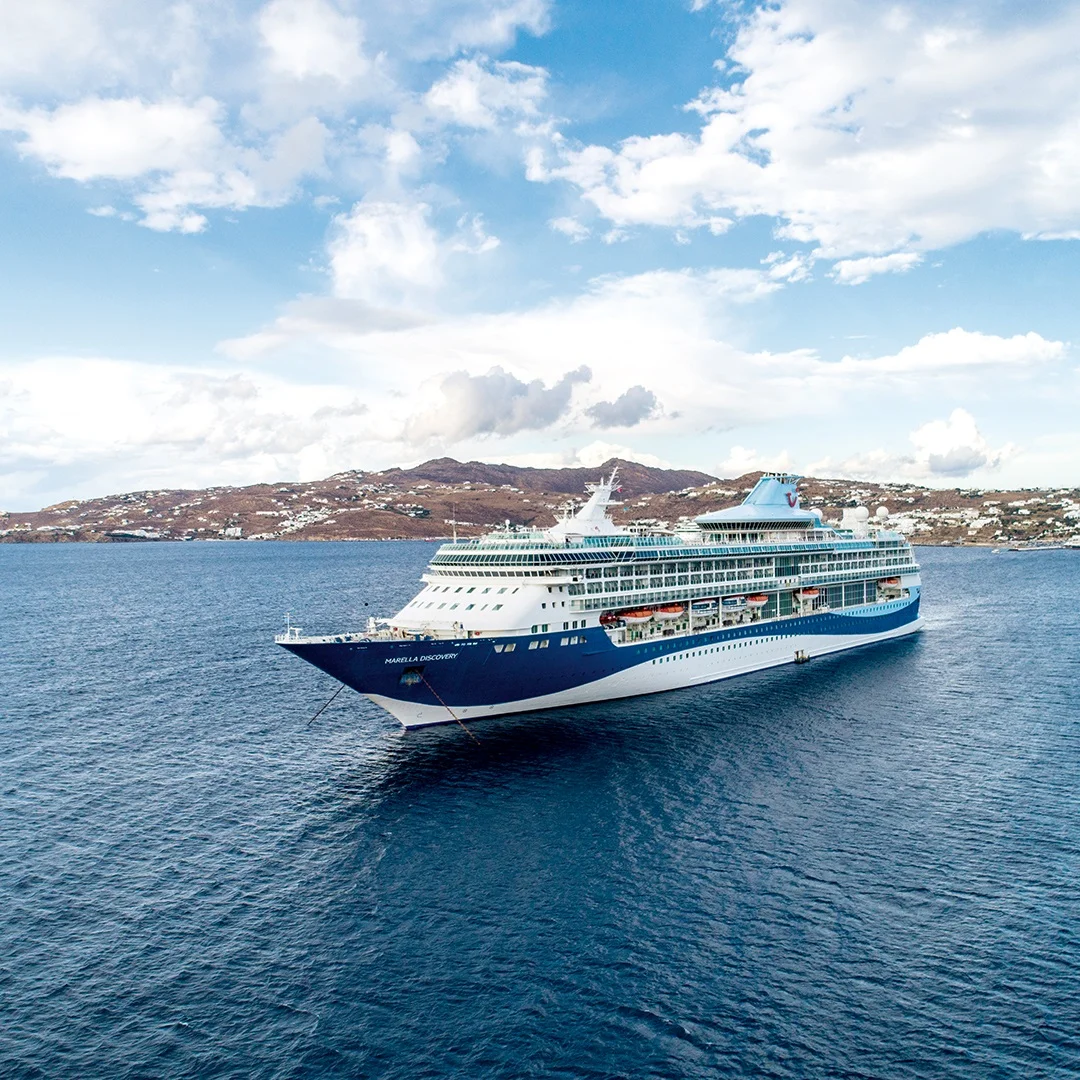
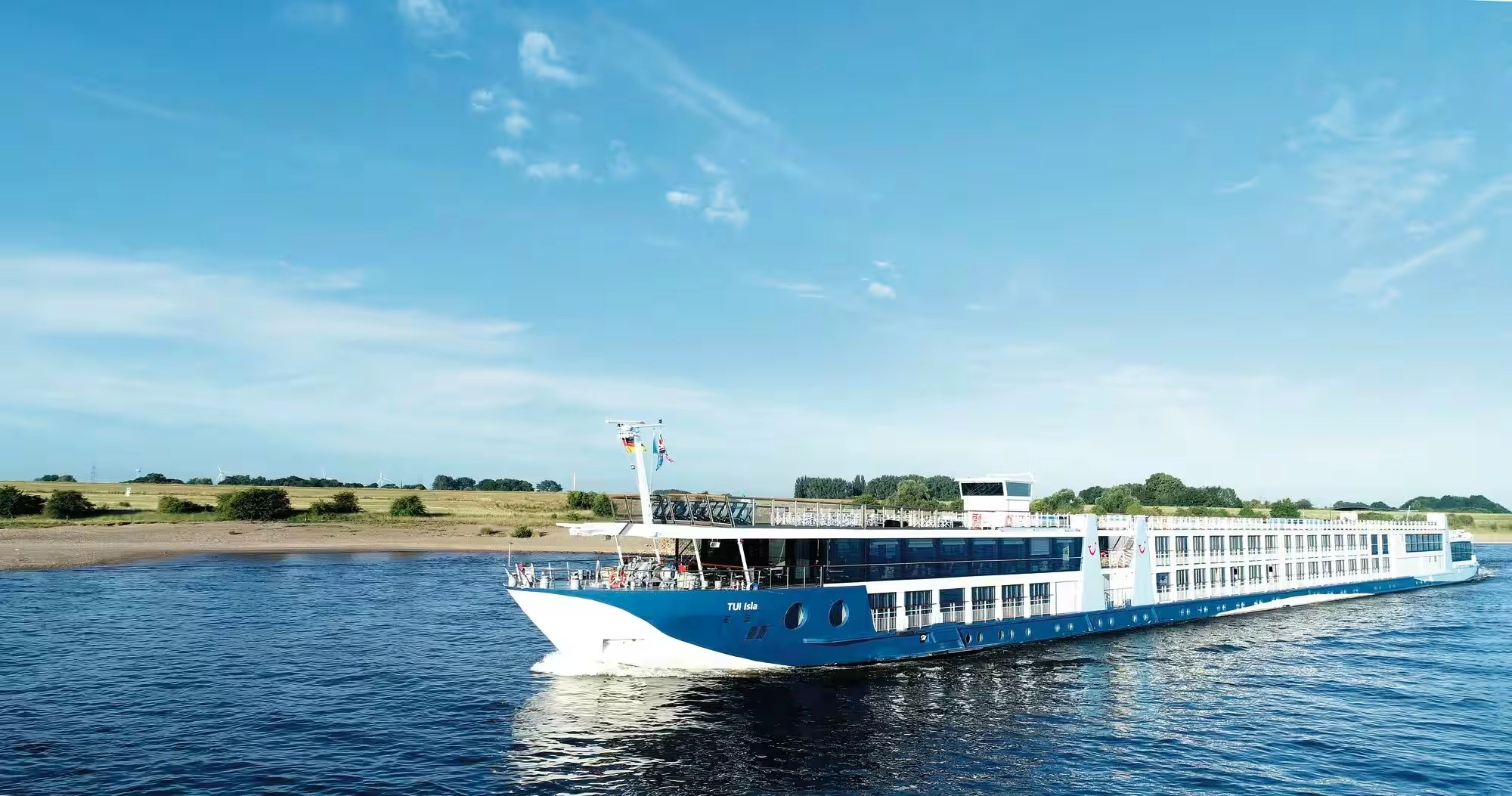
According to the latest forecast, travel to western and eastern Mediterranean destinations, as well as cruises, is showing particularly positive trends this summer. Turkey, Spain, and Greece are the most-booked destinations for air-inclusive package tours. Booking figures for destinations where there was still noticeable hesitation at the start of the crisis—such as Turkey and Egypt—are stabilizing again. “For cruises, we expect the market to continue growing this year—thus continuing the trend from last year,” said Loidl. Unlike last year, market researchers also anticipate a stronger increase this summer in car, bus, and train travel within Germany and to neighboring countries.
By contrast, the trend for long-haul travel remains significantly more challenging, falling short of initial expectations both during the summer and throughout the entire tourism year, and showing declines compared to the previous year. The travel advisory issued in March and April for many Arab countries due to the war in the Middle East is having a particularly noticeable impact here. As a result, key transit airports in the Middle East—which are vital for long-haul travel to Asia—could not be used for weeks. This important long-haul travel business is only now slowly recovering.
“The tourism industry has repeatedly demonstrated its resilience in recent years. Our experience shows that as soon as the situation stabilizes, demand quickly rebounds. That is why, despite the current challenges, we remain generally confident about the future development of the travel market,” said Loidl.