

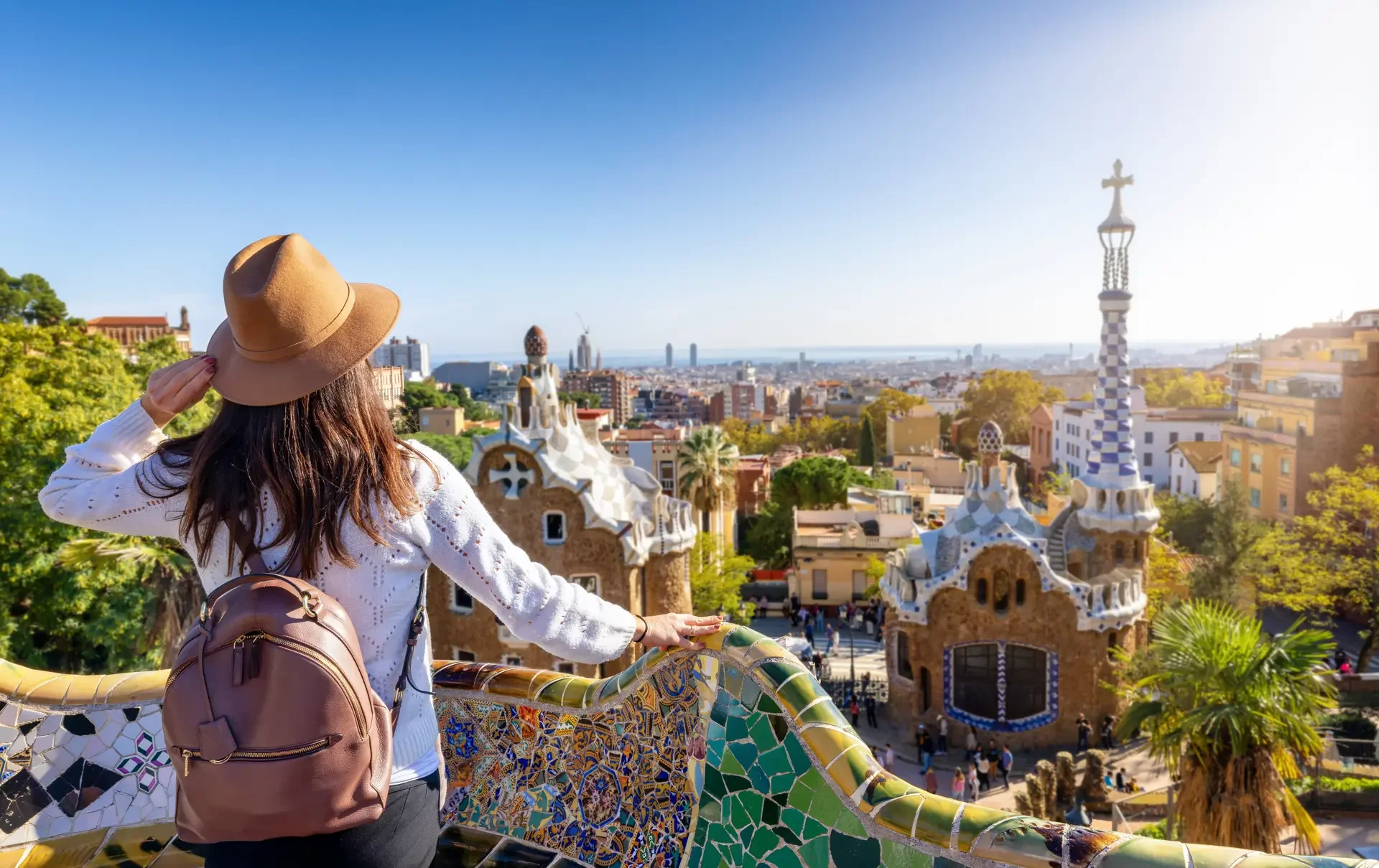
Spain is on course to welcome 100 million international visitors this year, but amid concerns over mass tourism, the country is rethinking how it manages continued growth.
Euronews – With 100 million international visitors expected this year, and ongoing concerns about overtourism, Spain is putting people and sustainability at the centre of its countrywide policy.
In a presentation at Arabian Travel Market in Dubai, Carlos Ruiz González, director of the Spanish Tourist Office for the Gulf region at Turespaña, outlined how Spain’s Tourism 2030 plan will put people and sustainability at the centre of its next phase of growth – with residents and lesser-visited destinations a key focus.
Devised with a three-phase roadmap, which will be delivered through a series of two-year action plans, Spain Tourism 2030 is a government-wide policy covering economic, social and environmental sustainability.
According to Ruiz González, the main challenges range from climate change and employment to housing pressures, overcrowding and regional depopulation.
Recognised as a “core audience”, but “not a side effect of it”, residents are one of five groups at the centre of the new strategy, alongside destinations, businesses, tourism workers, and visitors.
“We want the residents also to be part of the system,” Ruiz González said. “Tourists go where people live, so people need to keep living and be able to afford to buy a house or buy an apartment or just walk in and out without problems.”