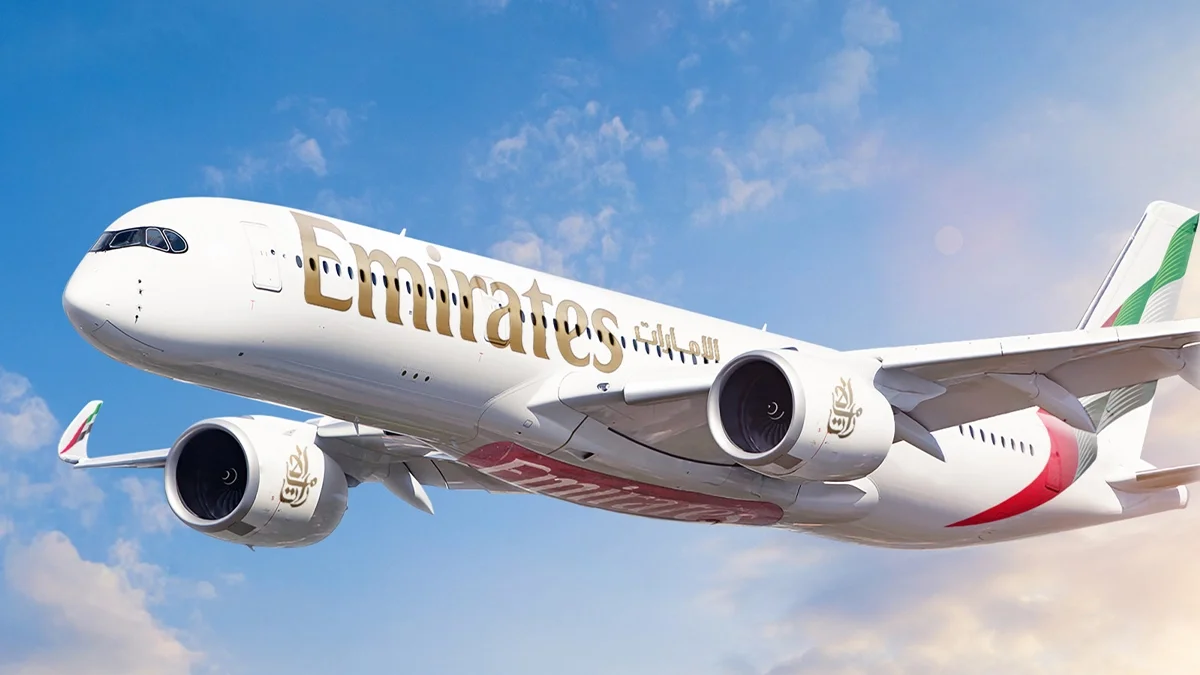


At a political discussion forum, the German Travel Association (DRV) highlighted the value added by the aviation industry and the negative consequences of the aviation tax and high operating costs in Germany: The heavy burdens on airlines, airports, and travelers compared to other countries weaken Germany’s competitiveness and jeopardize the development of the country as a tourism destination.
“Aviation is not merely a special interest of airlines, but the central infrastructure of the travel industry,” emphasized DRV President Albin Loidl at today’s forum 'Value Creation in Aviation.'
The event was organized in Berlin at the initiative of the Federal Association of the German Aviation Industry (BDL) in collaboration with AUMA, BTW, DRV, and the DSLV.
“If flying from Germany becomes too expensive, everyone loses in the end—travel agencies, tour operators, families, and ultimately the entire business community,” said Loidl during the tourism panel discussion with Anja Karliczek, Chair of the German Bundestag’s Committee on Tourism, and Sören Hartmann, President of the BTW.
Aviation ensures economic value and employment
Aviation is indispensable for tourism in Germany. It enables millions of vacation trips for German consumers while also bringing international guests, business travelers, and trade fair visitors to the country.
This benefits not only airlines and airports but the entire value chain: hotels, restaurants, culture, retail, travel agencies, tour operators, transfer services, tour guides, insurance companies, and digital distribution systems all depend directly on a robust air transport infrastructure. Furthermore, the entire German economy relies on competitive and well-functioning air transport structures.
The tourism industry alone accounts for 3.7 percent of total value added in Germany. Approximately 2.7 million people work in the sector. A decline in air travel therefore affects far more than just the transportation sector.
High costs lead to fewer connections and higher prices
The air travel tax and other government-imposed location costs significantly increase the cost of flying from Germany. The consequences are already evident today: airlines are reducing capacity, direct connections are being scaled back, and ticket prices are rising.
For travelers, this means longer travel times, additional layovers, and higher costs. Families and households with lower incomes are particularly affected. “Vacations must remain affordable,” says DRV President Albin Loidl. “We are already observing that, in particular, lower-income households are having to forgo travel. This development is concerning.”
Travel Agencies and Tour Operators Under Pressure
For the travel industry, reduced air connectivity from Germany has direct consequences. Approximately 85 percent of all package tours include a flight component. When sufficient flight capacity is lacking, prices rise, the variety of options decreases, and travel decisions become more difficult. The same applies to business travel.
“When flight capacity is lacking, the entire travel industry comes under pressure,” DRV President Loidl made clear. “From package tours to long-haul travel and cruises, all the way to group and business travel, nearly all segments rely on reliable and affordable flight connections.”
Customer satisfaction also declines when vacationers or business travelers have to endure longer journeys, additional layovers, or limited availability. “A competitive aviation infrastructure strengthens not only airlines and airports. It strengthens tourism, Germany as a business location, and millions of travelers. That is why the air travel tax must be reviewed and significantly reduced.”
Tourism is also a social issue
In the DRV’s view, travel must not become a luxury good. Vacation travel also has a social component: It makes an important contribution to relaxation, social cohesion, and the quality of life for many people.
“If families can no longer afford their annual vacation, this affects more than just the tourism industry. Travel promotes relaxation, personal connections, and social cohesion. This opportunity must not be restricted by excessive government burdens.”
Strengthening Germany's Competitiveness
The DRV is therefore calling for a reduction in the air travel tax as well as further measures to lower the costs of operating in the aviation sector. The goal must be to secure Germany's international connectivity, strengthen the competitiveness of the aviation sector, and make travel affordable for consumers.