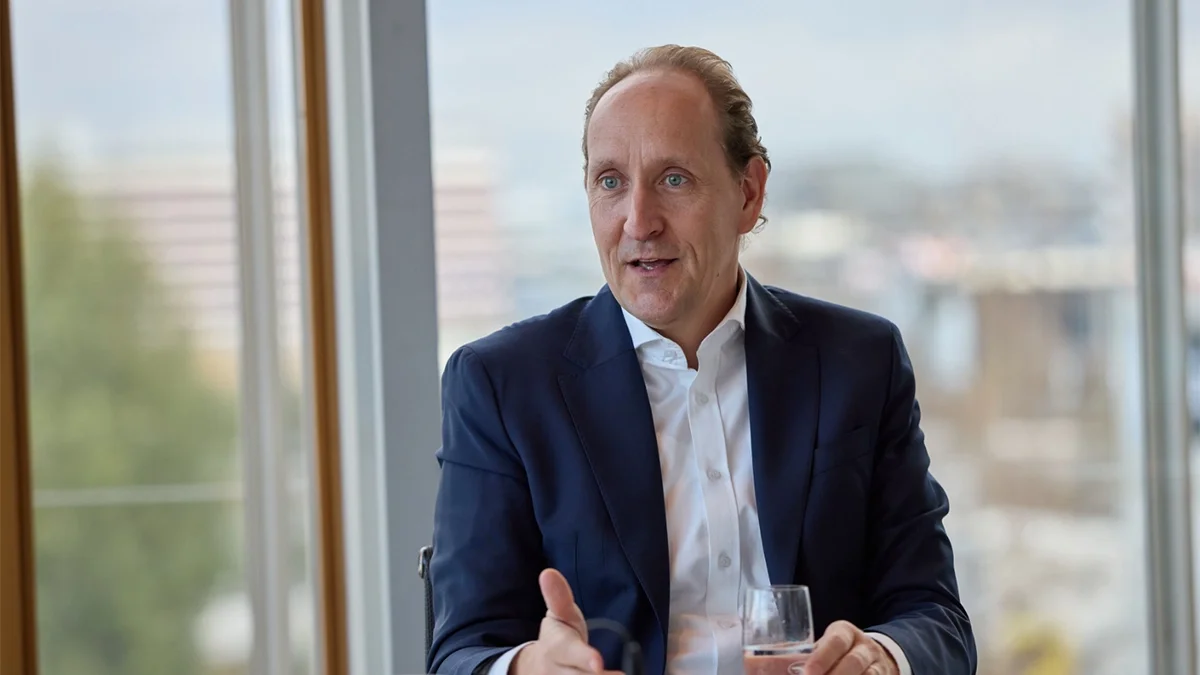

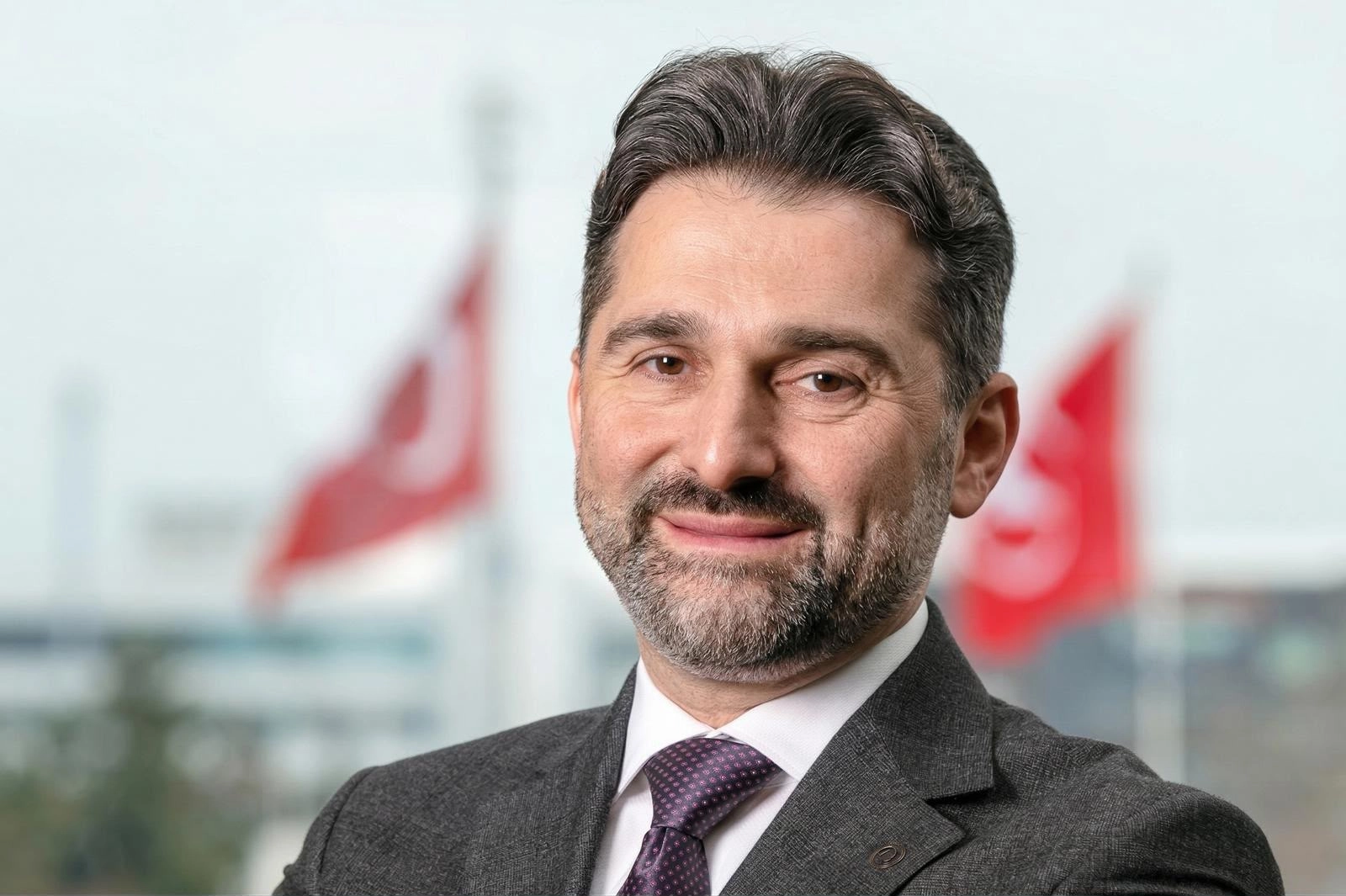
Prof. Dr. Murat Şeker, Chairman of the Board of Directors and Executive Committee of Turkish Airlines, gave an interview on CNN International’s “Quest Means Business” program.
Prof. Dr. Murat Şeker, Chairman of the Board of Directors and Executive Committee of Turkish Airlines, stated that jet fuel prices have doubled due to the war between the U.S. and Iran and the tensions in the Strait of Hormuz, but emphasized that the crisis will not slow down the airline's growth targets.
Recalling the significant progress made since the pandemic, Şeker said, “As you know, before the pandemic, we were an airline with a fleet of approximately 350 aircraft. Within five years, we reached approximately 550 aircraft. That’s a massive transformation. Considering our large order book of approximately 420 aircraft to be delivered from Boeing and Airbus over the next decade, we’ll be moving to an entirely different scale.
"Fortunately, I was one of the key members of the team that developed Turkish Airlines’ 2033 strategy. So, I made a significant contribution to this. There won’t be any major changes in the future. By 2033, we aim to be an airline with a fleet of approximately 850 aircraft and continue to be an airline that flies to more countries than other airlines. We also aim to be among the top three in terms of global cargo transportation and the global passenger network. Therefore, we will remain committed to these goals,” he said.
Jet fuel costs have created significant pressure
Referring to the rising costs of jet fuel due to tensions between the U.S. and Iran and the situation in the Strait of Hormuz, Şeker said, “In fact, we didn’t have a supply issue even last summer. Fortunately, Türkiye’s geographical location and the two refineries in Türkiye allow us to secure a reasonable fuel supply without any production risk. As for the crisis, of course, like other major network carriers, approximately 30% of our expenses are fuel-related, and this ratio has more than doubled. This has created significant pressure on costs. However, we were fortunate to be able to reroute traffic to any destination where growth opportunities existed,” he said.
“We reflected this in ticket prices for some destinations”
Prof. Dr. Murat Şeker, noting that they have taken necessary measures to protect against the jet fuel crisis, said, “We are currently hedging up to 40% of our fuel consumption. But more importantly, thanks to the surcharge we’ve implemented in over half of our 50-plus destinations, we were able to increase prices by more than 15%. As a result, we were able to pass on part of this impact to ticket prices. This will squeeze margins throughout the year. However, our belief is that these high jet fuel prices will not last very long. We expect to start seeing a slowdown after mid-summer and anticipate jet fuel prices to settle just below $1,000 by year-end. Nevertheless, it will still affect our margins,” he said.
Noting that Türkiye’s greatest advantage is its geographical location, Prof. Dr. Murat Şeker continued his remarks as follows: “We are growing, but we do not see ourselves as aggressive expanders. First and foremost, we are leveraging our advantages very wisely—our geographical location. We are leveraging our capabilities very wisely. Our station managers are managing 300 international and 50 domestic destinations very wisely. As Turks, we are generally known as a very agile people. We adapt very quickly. These are our advantages. We are not trying to drive other carriers out of the market. We are just doing our own business, and as the market grows, we benefit from it.”