


There has long been a prevailing perception in the hotel and restaurant industry: chefs belong in the kitchen, while managers make decisions from the office. Yet in today’s gastronomy world, this understanding is changing. Because successful businesses no longer see the kitchen simply as a department that produces food, but as the heart of the operation.
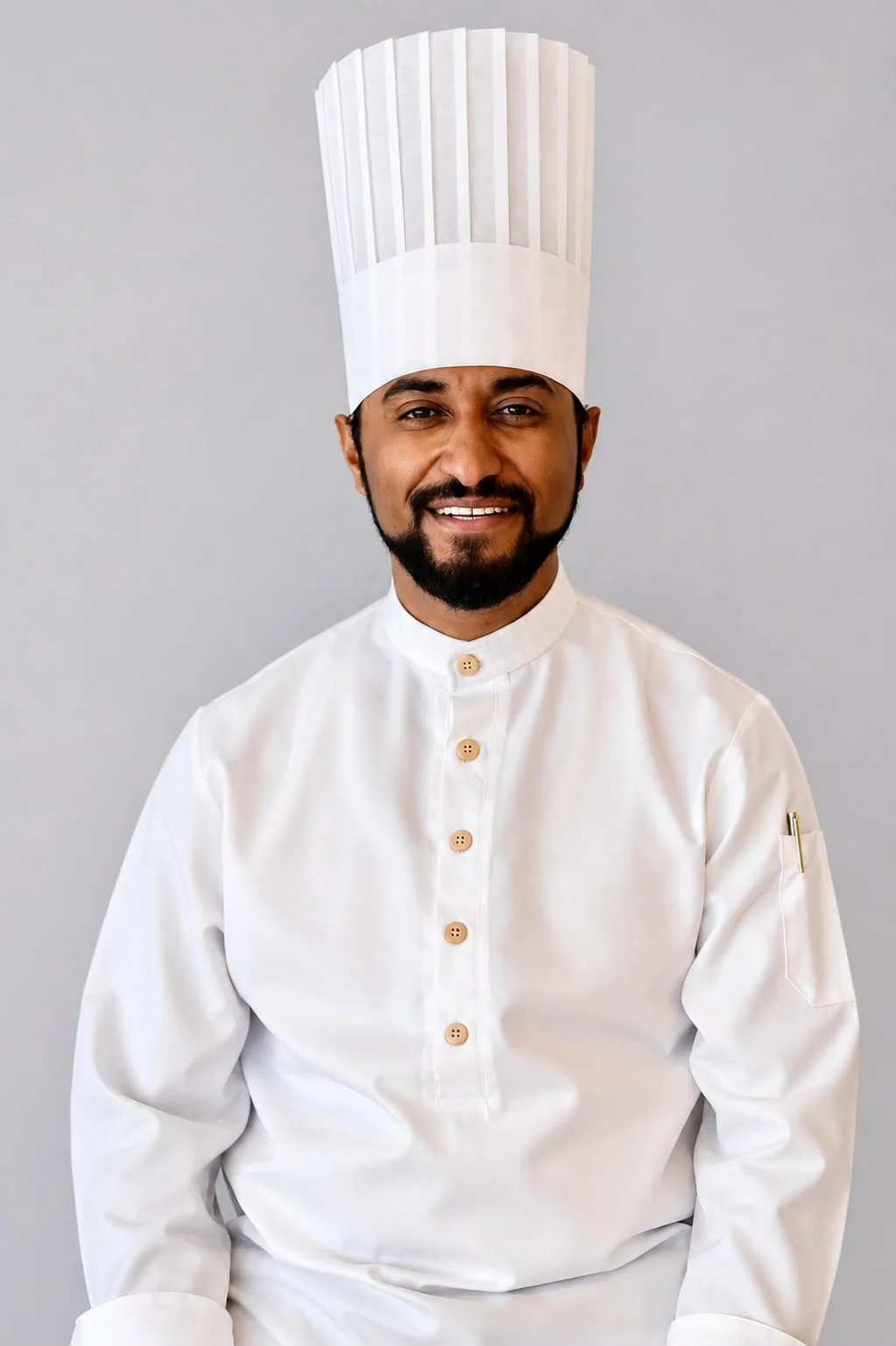
So, why should more chefs move into managerial positions?
First and foremost, a chef manages one of the most complex operations within a business. They organize dozens of employees at the same time, control costs, oversee purchasing processes, implement hygiene standards, manage guest satisfaction, and strive to deliver flawless service under time pressure. In fact, without even realizing it, they are managing every single day.
A good chef does not only create great food; they build teams, provide leadership, solve crises, and develop strategies.
Today, food and beverage operations represent one of the largest expense categories for many hotels. And the professionals who understand these operations best are often those who come from within the kitchen. Chefs are at the center of critical areas such as food cost management, waste prevention, staff efficiency, quality standards, and guest experience.
Unfortunately, many successful chefs in the industry are still limited to the kitchen. Yet when we look at international hotel chains, we see many former chefs who have risen to positions such as Executive Assistant Manager, Director of Operations, Food & Beverage Director, and even General Manager. The main reason for this is that those who understand the dynamics of operations best are leaders who have come from the field.
However, being good at cooking does not, on its own, mean being a good manager.
For chefs to take their careers to the next level, they also need to develop themselves in areas such as financial management, human resources, leadership, revenue management, marketing, and communication. Today’s successful managers are professionals who can read and understand not only operations, but the business as a whole.
A chef who becomes a manager begins to improve not only the kitchen, but the entire operation. They build bridges between departments, establish common goals, and approach the guest experience from a holistic perspective. This both increases employee engagement and contributes to the sustainable success of the business.
The most valuable leaders in the future of the tourism industry will be professionals who know the field, understand team spirit, and have learned every stage of operations through hands-on experience.
Perhaps it is time to ask a different question: not “Why should chefs become managers?” but “Why are chefs still not managers?”
Written By
Ömer Yalçın
Pickalbatros Hotels & Resorts
Area Director of Culinary